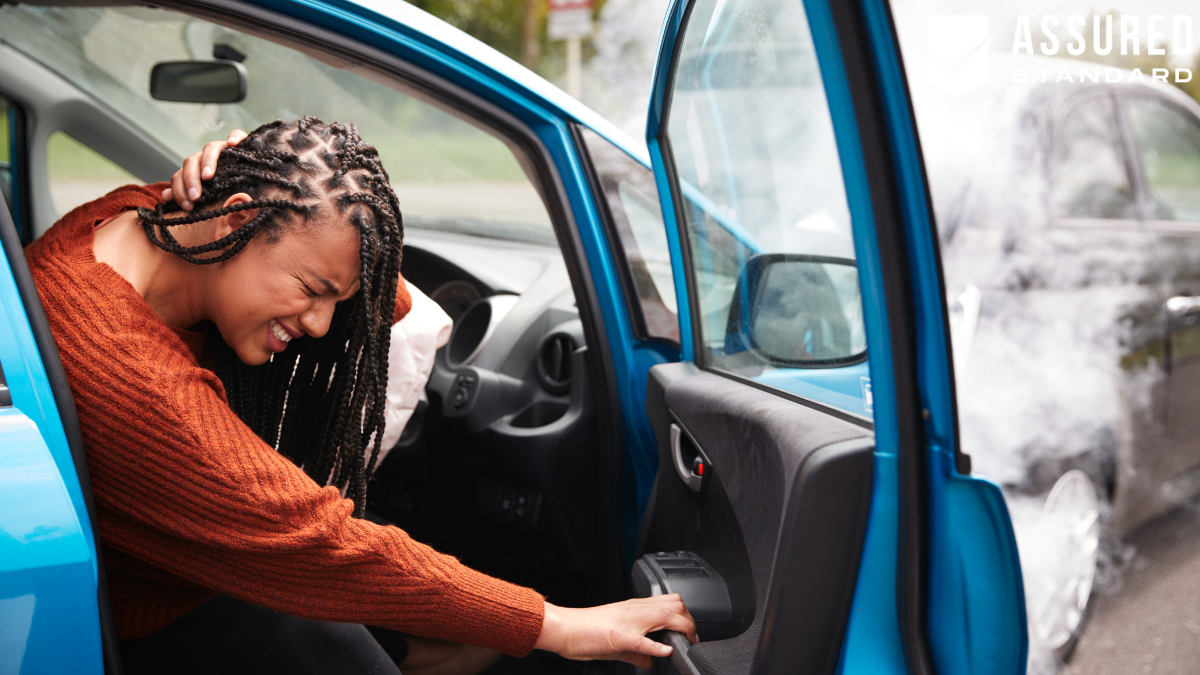
Let's face it, accidents happen. And when they do, we might find ourselves dealing with drivers who don't have enough insurance to cover the costs. That's where underinsured motorist coverage comes in. It's like a financial safety net, shielding us from hefty expenses. But how exactly does it work, and what should we consider when choosing this coverage? Let's explore the ins and outs to guarantee we're truly protected.
Underinsured motorist coverage is essential for protecting us when we're involved in an accident with a driver whose insurance isn't sufficient to cover our damages.
When we experience such unfortunate events, this type of coverage acts as a safety net, ensuring we don't face the financial burden alone. It steps in to cover the gap between the other driver's policy limits and our actual expenses.
Understanding how this works helps us appreciate its value. It’s like having a backup plan that kicks in when the unexpected happens.
We pay a little extra for this peace of mind, but the assurance it provides is well worth it. By choosing underinsured motorist coverage, we safeguard ourselves against potential shortfalls from another's inadequate insurance.
When we neglect to secure adequate insurance coverage, we unwittingly expose ourselves to significant financial risks. If we’re involved in an accident with an underinsured driver, their coverage mightn't fully cover our expenses. We could face hefty medical bills, repair costs, and lost wages that far exceed the other party’s insurance limits.
Without underinsured motorist coverage, we’d have to pay these out-of-pocket, potentially straining or even depleting our savings.
Consider the impact on our financial stability if we’re unable to work due to injuries. Without proper coverage, we may struggle to cover daily expenses, creating stress and uncertainty.
Insufficient coverage leaves us vulnerable, highlighting the necessity of ensuring our own protection in unforeseen situations. Prioritizing extensive coverage safeguards our financial future.

Maneuvering the complexities of insurance coverage, we quickly realize the importance of understanding how underinsured motorist coverage works.
This coverage acts as a safety net when we’re involved in an accident with a driver whose insurance can’t fully cover our damages. In such scenarios, our own policy steps in to fill the gap, ensuring we aren’t left to shoulder hefty medical expenses or repair costs alone.
It kicks in after the at-fault driver's insurance has been exhausted, making up the difference up to our policy limits. Knowing this helps us make informed decisions and avoid unexpected financial burdens.
Maneuvering the intricacies of underinsured motorist coverage, how do we determine the right level of protection for our needs?
First, assess our financial situation. The more assets we have, the more coverage we might need to protect them.
Think about our driving habits and location. Are we often in high-traffic areas where accidents are more likely?
Next, consider our current insurance. We should guarantee our coverage complements existing policies without unnecessary overlap.
Don’t forget to evaluate the medical costs in our area; high healthcare expenses might mean we need more coverage.
Finally, let’s weigh the cost of premiums against potential out-of-pocket expenses. Balancing these factors helps us choose coverage that fits our unique circumstances and provides peace of mind.
While we often hope for the best on the road, underinsured motorist coverage can be a lifesaver when the unexpected happens.
Imagine driving home from work when another driver runs a red light and collides with you. Their insurance, unfortunately, doesn’t cover the full extent of your damages. In this case, our underinsured motorist coverage steps in, covering medical bills and vehicle repairs that the other driver’s insurance won’t.
Consider another scenario: we’re passengers in a friend’s car, and an underinsured driver hits us. Our friend’s policy mightn't fully cover injuries or lost wages. With our own underinsured motorist coverage, we’re protected.
These real-life situations highlight why having this coverage guarantees peace of mind, offering vital support when we need it most.
Underinsured motorist coverage helps when the at-fault driver doesn’t carry enough insurance to cover our damages. Uninsured motorist coverage applies when the at-fault driver has no insurance at all. Both protect us in different scenarios.
No, underinsured motorist coverage isn't required in all states. We should check our state’s laws to understand what's mandatory. It’s wise to contemplate this coverage to protect ourselves if others’ insurance falls short.
We can't use underinsured motorist coverage if we're at fault in an accident. This coverage helps when the other driver lacks sufficient insurance. It's essential to understand our own policy details to guarantee we're adequately protected.
Yes, it does. Underinsured motorist coverage can apply to hit-and-run accidents. It protects us if the other driver doesn't have enough insurance or can't be identified. Let's make certain we're covered for unexpected events on the road.
We file a claim by contacting our insurance provider, providing details like the accident report, medical records, and repair estimates. They’ll guide us through their specific process to guarantee we’re adequately covered under our policy.
In summary, let's not overlook the importance of underinsured motorist coverage. It’s a vital layer of protection that helps us avoid financial strain when accidents happen with drivers who lack sufficient insurance. By choosing this coverage, we’re ensuring our financial security and peace of mind. Remember, unexpected situations can arise at any moment, and having the right protection in place means we won’t face overwhelming out-of-pocket expenses. Let’s safeguard our future by making informed coverage choices today.



